One shared packing list
When four people pack separately, you end up with three first-aid kits and no leash. A single list that everyone edits before departure keeps the car lighter and stops the last-minute pharmacy run.
When two families or a small remote team travel the same route, the questions stop being personal. Someone has to hold the vet records, someone has to read the bus policy before tickets go on sale, and everyone needs the same notes on the apartment that takes a dog. These are the pieces we keep coming back to.

Pet rules change between companies and between routes. Before a group buys tickets, we check whether the small dog rides in the cabin or the hold, what carrier size is accepted, and how early a pet spot has to be reserved.

A shared packing list and a rotating meal plan keep the daily spend in view. Splitting a long-stay apartment that accepts pets works better when the numbers are written down where the whole group can see them.
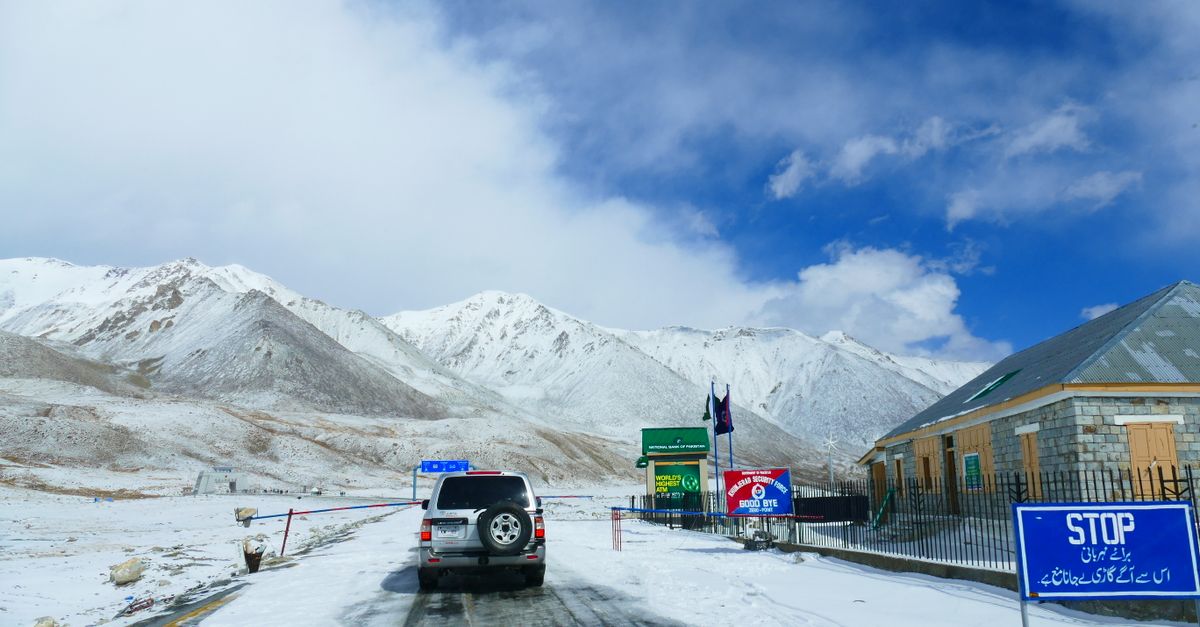
With several travelers and a dog, the animal health certificate is the document that causes the most trouble when it is out of date. One person holds the folder, and the group reads the same checklist before the crossing.
Internet speed, afternoon noise, and whether a coworking day pass beats a quiet apartment are the details that matter over a month. In smaller Argentine cities the options thin out, so the group tests a place before committing.
The route guides and the border-crossing checklist work as shared reading. Everyone starts from the same notes instead of three different versions of the plan.
When two families or a small remote team travel the same overland route, the details multiply fast: who holds the animal health certificates, which bus company actually takes a small dog in the cabin, how a long-stay apartment gets split fairly. Reading the same route guide and border checklist before departure saves a lot of arguing at the terminal.
If your group is still at the stage of comparing cities and coworking options, the process notes on how we plan a stay are a reasonable place to start.
No booking, no group rates. Just a reply from the family that writes the posts.
Extended families, friend pods and small remote teams planning a slow route through Argentina run into the same questions we do. These are the parts of the blog that tend to help most when several people are moving together.
When four people pack separately, you end up with three first-aid kits and no leash. A single list that everyone edits before departure keeps the car lighter and stops the last-minute pharmacy run.
Health certificates and vaccination papers have expiry dates, and a group crossing with two or three dogs multiplies the paperwork. Naming one person to hold the folder means nobody is digging through bags at the border window.
Temporary apartments that accept pets are easier to afford when the cost is shared, but the listing questions stay the same. Our rental notes cover what to confirm in writing before anyone transfers a deposit.
Policies differ by company and by route, and a group booking is harder to change once tickets are issued. Reading the route-by-route comparison first saves an argument at the terminal counter.
Cooking for six in a rented kitchen is cheaper than eating out for six, but only if someone is actually cooking. A simple rotation keeps grocery spending visible and stops the same person from carrying the whole job.
If part of the group is working while the rest is on the road, connection quality decides the day. Our notes on cafes and coworking in smaller Argentine cities give everyone the same starting point.
Before the group splits up the planning, it helps to agree on how decisions get made along the way. The route planning process we follow is written out step by step, and the support notes cover the questions readers send in most often.
This page is for extended families, friend pods and small remote teams who move together on slow overland routes. It is not a service offer, a booking channel or a corporate program. Everything below is a set of working definitions so nobody arrives with the wrong expectations.
When we write "group" we mean people who already know each other and split the planning themselves. There is no guide, no fixed itinerary and no one waiting at the terminal. The route notes on this blog are the same ones a family of four or a pod of three coworkers would use.
A long-stay rental that accepts pets is usually signed by one person, even when four people share it. Landlords in Bariloche and similar towns care about who is responsible for the deposit, not how many bags arrive. Agree on that before you contact anyone.
"Small dogs allowed" is not a national rule on Argentine long-distance coaches. The same company can say yes on one route and no on another. Treat every booking as a separate question and confirm it in writing before the group buys tickets together.
If two families cross into Chile with two dogs, that is two health certificates, not one shared document. The certificate also has a validity window, so a group that splits up and rejoins later may need to reissue it. Plan the crossing as a single coordinated day.
We do not publish group rates and we do not negotiate on anyone's behalf. What we do describe is a shared packing list, one person holding the vet records, and a rotating meal plan, so the money each household spends stays trackable instead of disappearing into a common pot.
Coworking spaces and cafes in smaller Argentine cities vary a lot in connection quality. Our notes are observations from specific visits, not a promise that a place will still work next season. Anyone in the group who needs to be online should test the connection before committing to a month.
If a detail on this page conflicts with something in a route guide or a border checklist post, trust the post. Those are written after the trip, with the actual receipts and documents in front of us.